
Single vs Double Breast Pump: Which is Best for Indian New Moms in 2026?
Welcome to Part 5 of Meeple Tech's ultimate breast pump series! If you've followed our journey - from beginner guides to advanced tips - you know choosing the right pump can transform your breastfeeding experience. Today, we're diving deep into single vs double breast pump debates, highlighting why a single pump might outperform its double counterpart for many Indian moms. Whether you're a working professional in Bangalore or a first-time mom in Indore, this guide helps you decide.
Key Differences: Single vs Double Breast Pump
At their core, both pumps mimic a baby's suckling to express milk efficiently. Here's a quick breakdown:
Aspect | Single Electric Pump | Double Electric Pump |
Pumping Time | Longer (pump one breast, then the other) | Half the time by pumping both breasts at once |
Milk Output | Standard; less stimulation | 18% more milk on average, higher fat content, extra letdown |
Cost | ₹2,000-₹8,000 (budget-friendly) | Higher upfront cost ₹6,000-₹20,000 (premium investment) |
Portability | Smaller, lighter for travel | Bulkier, less portable |
Best For | Occasional use, on-the-go | Daily pumping, building supply |
Single pumps shine in flexibility, while doubles prioritize speed. For Indian moms, factor in our tropical humidity - opt for models with antimicrobial parts to prevent milk residue buildup.
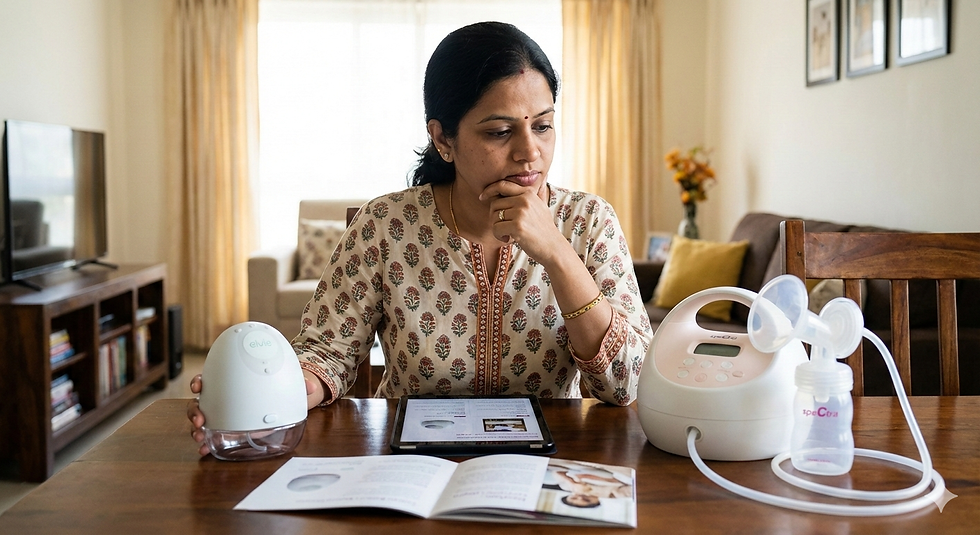
Who Should Choose Single vs Double Breast Pump?
Your lifestyle dictates the winner. Here's a no-nonsense guide for Indian new moms:
Choose Single Breast Pump If:

You're a first-timer pumping 1-2 times daily (e.g., returning to office part-time).
Budget under ₹5,000 or space is tight (perfect for Indore apartments).
Travel often - commutes, train journeys, or village visits.
Dealing with low supply or sensitive nipples; gentler on beginners.
Choose Double Breast Pump If:
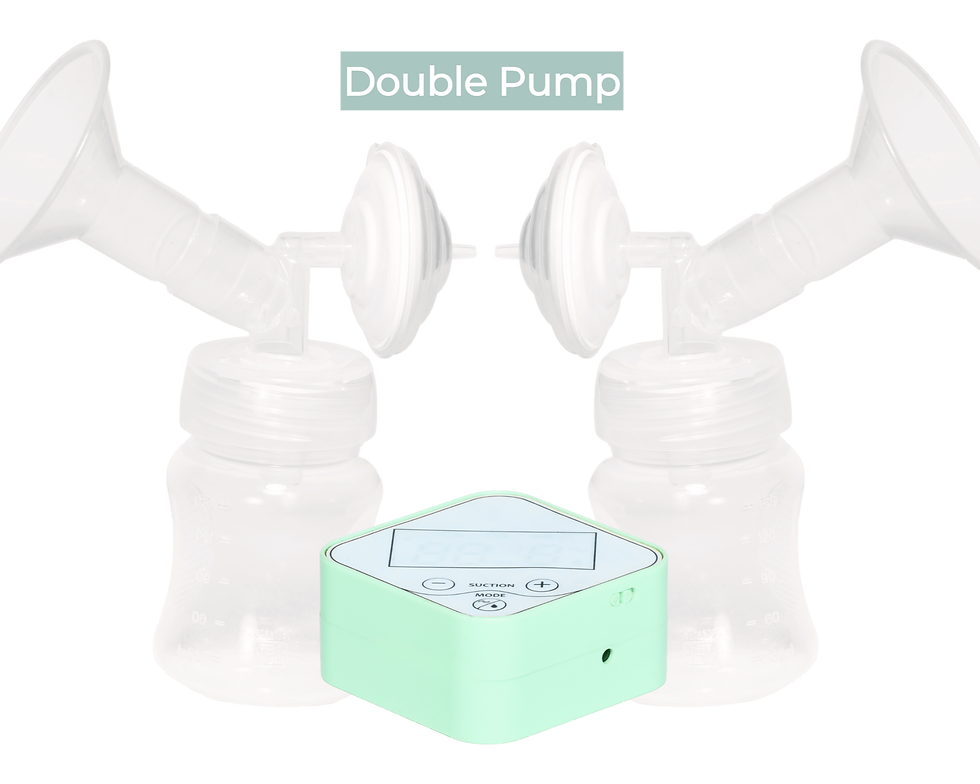
High-volume needs: Working full-time, twins, or exclusive pumping (e.g., NICU babies).
Time-crunched: Save 20 mins per session for busy Delhi professionals.
Established supply: After 2-3 months, when let-down is strong.
Extra Tips for Indian Moms
Beat Humidity & Hygiene: Use UV-sterilizable parts; store in airtight boxes to fight Mumbai monsoons.
Power Hacks: Pair with solar chargers (₹500 on Amazon) for rural areas.
Build Supply Naturally: Combine pumping with jeera water, methi laddoos, and 30-min skin-to-skin ayurvedic boosts for desi moms.
Legal Perks: Claim maternity benefits under POSH for pump purchases if employed.
Which pump are you leaning towards, or need help with model comparisons?


