
When to Use a Breast Pump: Essential Scenarios for New Indian Moms by Meepletech
New mothers often need guidance on timing breast pumping to support milk supply and family needs. This follow-up to our "How to Use a Breast Pump" guide outlines key scenarios, stages, and optimal times using Meepletech pumps.
Why the Need for Pumping Arises
Needs emerge from latch difficulties, work demands, or medical separations common in India, where 40% of mothers now use pumps for assured supply. Engorgement, oversupply, or building a freezer stash prompts pumping to maintain health and flexibility. It allows partners to feed, easing postpartum recovery amid household duties.
Pumping relieves engorgement pain when milk comes in or supports latch issues common in first weeks. It empowers working Indian mothers resuming jobs after 6-month maternity leaves.
Essential Scenarios Requiring use of Breast Pump
Mothers express in varied situations to sustain breastfeeding journey:

Latch issues from tongue-tie or premature birth.
Returning to work after maternity leave.
Temporary separations like travel or illness.
Boosting low supply in early weeks.
Donating surplus to milk banks for preterm infants.
Scenario 1: Boost Supply in First Three Weeks
Frequent pumping mimics cluster feeding to establish mature milk, recommended every 2-3 hours alongside nursing. Power pumping—pump 20 mins, rest 10, repeat—tricks body into higher production during this critical window. Indian moms benefit as cultural expectations limit rest, yet consistent expression prevents dips.

Scenario 2: Exclusive Pumping for 6 Months
Choose exclusive pumping (EP) if latch fails despite support; pump 8-12 times daily to match demand and supply, with at least one session in the night. Maintain nutrition support for baby with Meepletech's resilient and rechargeable pumps. Track output to adjust pumping schedules, ensuring baby thrives solely on expressed milk. The number of pumping sessions can reduce after 4 months when the supply is mature.
Scenario 3: Back to Office, Pumping for Home

Post-6-month leave, pump at work (mornings highest yield) to provide bottles for caregivers, sharing feeding load. Wearable pumps enable discreet sessions during breaks, combating public feeding taboos in India. Store in insulated bags for 24-hour freshness at home.
Scenario 4: Temporary Pumping
Use during short separations like hospital visits or travel; pump to match baby's schedule and avoid engorgement. Single sessions relieve fullness, maintaining supply for quick return to direct feeds. Ideal for Indian festivals or family ev
ents pulling moms away briefly.
Scenario 5: Donation to Milk Bank
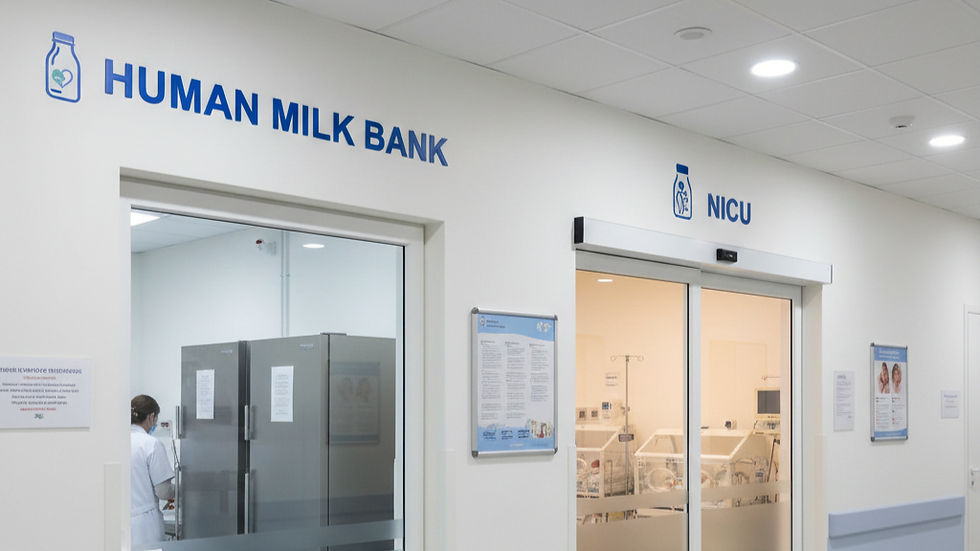
Donate excess after establishing supply to help NICU preemies, following pasteurization guidelines via certified banks in India. Pump in sterile setup with Meepletech's hygienic parts, screening health first. Contributes to the community while managing oversupply safely.


